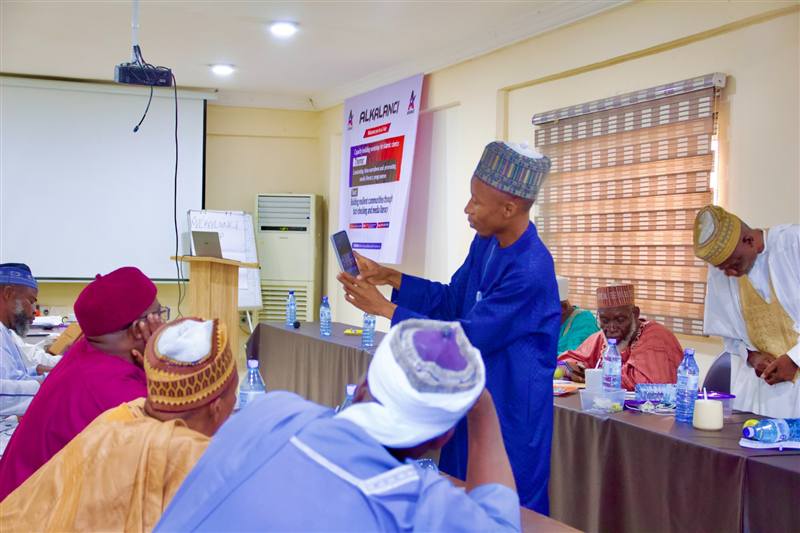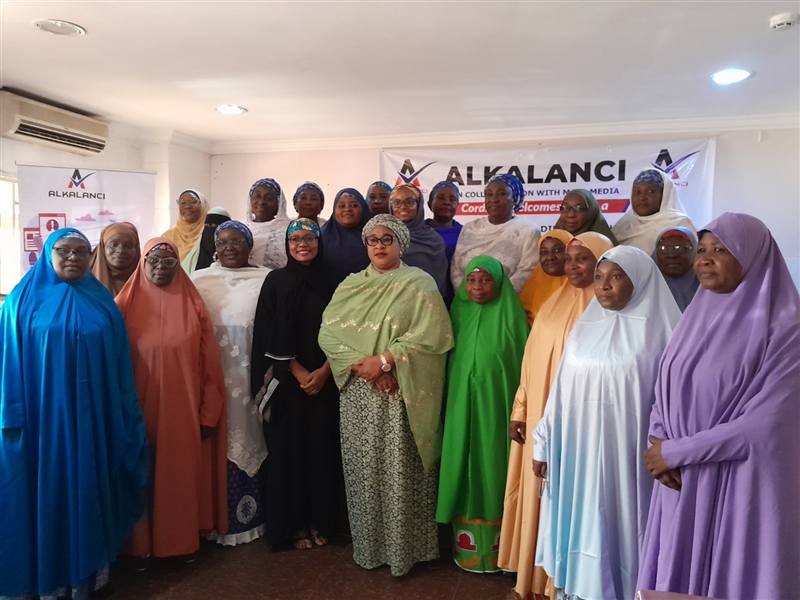
In the summer of 2019, we borrowed a hall in Kaduna, arranged thirty plastic chairs and hoped for the best. Thirty teachers arrived — some curious, some openly sceptical, one or two simply glad of a day away from the chalkboard. By the second afternoon the sceptics were the loudest voices in the room, arguing over a doctored photograph that half of them had seen on WhatsApp the week before. That argument, more than anything we had prepared, convinced us the work could grow.
We had no grand plan. We had a projector that overheated, handouts that ran out before lunch, and a conviction that ordinary Nigerians deserve practical tools for telling truth from noise. Seven years on, that single workshop has grown into a network of more than 300 trained educators across Kaduna and Kano — a movement built not in conference rooms but in borrowed halls, classrooms and community centres.
What the first workshop taught us
The first thing we learned is that participation beats presentation every time. Lectures put people to sleep; exercises wake them up. The moment that changed our method came when we asked the teachers to open their phones and show us rumours they had actually received. A forwarded voice note warning that a school was closing. A manipulated photograph of a politician. A chain message promising government grants to anyone who shared it widely enough. Real examples from real feeds turned abstract ideas into immediate, personal stakes. People do not learn to verify by watching someone else verify; they learn by doing it on the falsehoods that reached them directly.
The second lesson followed from the first: the tools people actually have are the only tools that matter. Fancy dashboards mean nothing in a classroom with one shared laptop and patchy data. We built every exercise around what a teacher or a broadcaster can do with a phone in hand and patience.
A curriculum built around four verbs
Out of that first cohort came the four-module structure we still use, in refined form, today:
- Recognise — spot the patterns of misinformation: clickbait, manipulated images, out-of-context quotes and coordinated rumours.
- Verify — check sources, run reverse-image searches and cross-check claims against reliable outlets and official records.
- Understand — see how algorithms, echo chambers and engagement economics shape what appears in a feed, and why that matters.
- Teach — turn the skills into lesson plans, club activities and broadcast segments so they outlive the workshop itself.
Each module ends with practice rather than a test. Graduates leave with a lesson plan they can use the following week — the curriculum is a starting point, not a script.
Crossing into Kano
In 2022 we carried the programme to Kano, and Kano taught us in return. Translating our materials into Hausa was never optional; for many participants it was the difference between observing a workshop and owning one. With local partners we adapted the examples, proverbs and scenarios so the training felt native rather than imported.
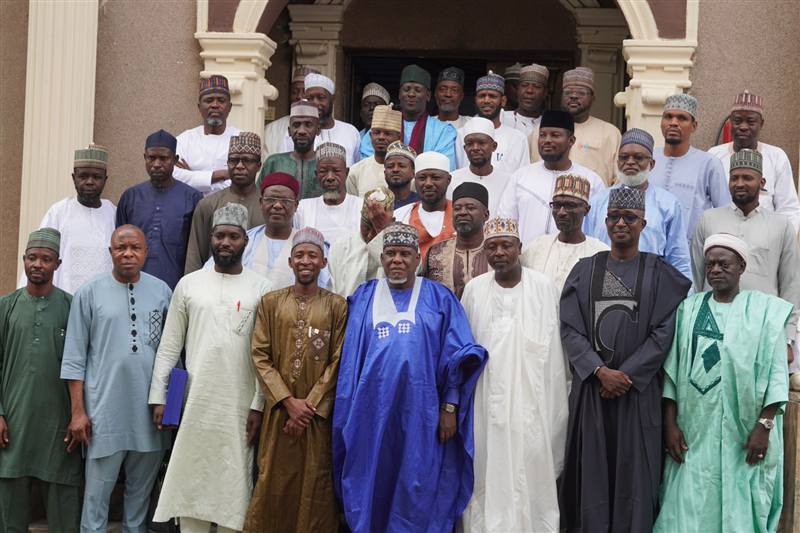
The audience changed too. In Kano we spent as much time with community and religious leaders — imams, ward heads, market association chairmen — as with teachers and journalists, because their word travels further than any broadcast. A session with leaders is not a lecture to leaders; it is a partnership. They know their communities' information habits better than we ever could, and the materials we co-designed with them are the ones still in circulation.
The network effect
This is the part of the story we are proudest of. More than 300 educators have passed through our training-of-trainers pathway, and each one has carried the skill into a school, a newsroom or a neighbourhood. A teacher we trained in Kano now runs a weekly media literacy club where students fact-check the messages their parents forward in the family WhatsApp group. A Kaduna radio presenter opens her morning programme with a two-minute "verify before you share" segment. A retired civil servant teaches an evening class in his community association's meeting room.
We cannot scale ourselves into every classroom in northern Nigeria. Trainers can.
"The first time I taught the verification module, I was afraid the students would ask questions I could not answer. Then I understood: that is exactly what we are teaching — how to ask, and how to find the answer."
Aisha B., teacher and MIL trainer, Kano
What comes next
We are preparing partnerships in Borno and Plateau, and seeding school MIL clubs wherever alumni ask for them. The plan is not to open more offices; it is to make ourselves gradually unnecessary — to leave behind communities that run their own clubs, hold their own sessions and correct misinformation before it spreads down the family group.
That first Kaduna hall taught us that movements start small and compound. If you are a teacher, a broadcaster or a community leader reading this, the invitation is open: talk to us about bringing a workshop to your community. The next network begins the same way this one did — thirty chairs, and someone willing to start.