About IMDIL
Building a Nigeria that reads between the lines
We believe media literacy is not a luxury — it is a survival skill for democratic life. Since 2019, IMDIL has worked to make it available to everyone who needs it.
Our story
It started with one workshop
In 2019, a small group of journalists and educators in Kaduna watched the same troubling pattern repeat itself: rumours spreading faster than corrections, families torn apart by forwarded falsehoods, and communities making life-changing decisions on the back of bad information.
They decided to do something about it — not by complaining, but by teaching. The first IMDIL workshop brought together thirty teachers and asked a simple question: what would it take to help ordinary people tell signal from noise?
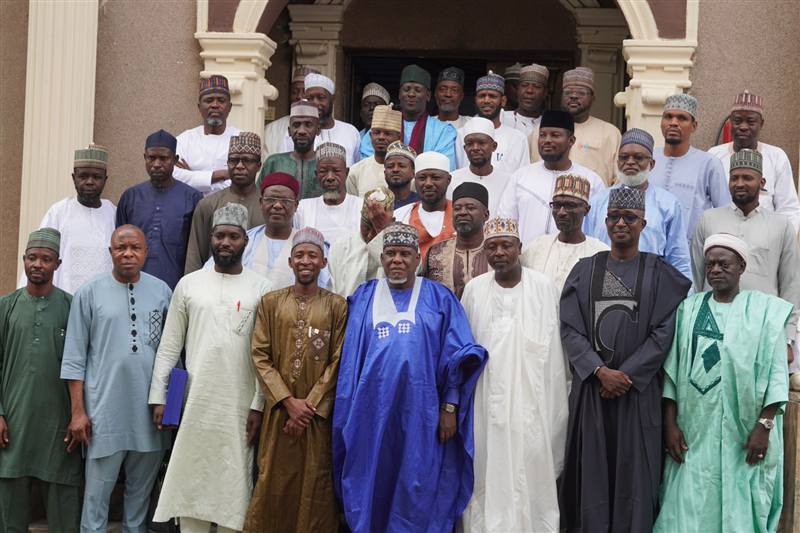
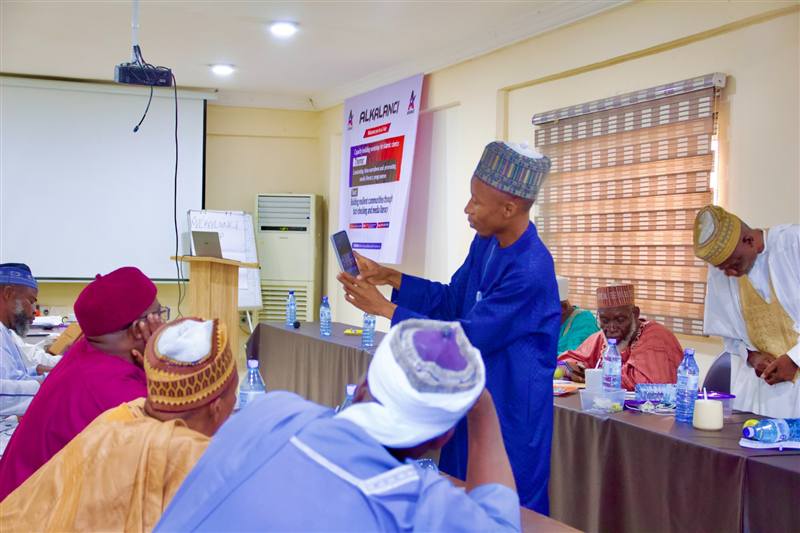
Seven years later, that question has taken us to six states, two dozen workshops, and thousands of participants. We have trained newsroom teams, built fact-checking workflows, launched digital citizenship clubs in schools, supported community radio stations, and published research that shapes how institutions respond to misinformation.
The scale of the challenge still outstrips us. But every workshop ends the same way it began in Kaduna: with people who now know how to check, how to question — and how to teach others to do the same.
What drives us
Vision, mission & values
Our vision
A Nigeria where every citizen — regardless of age, language or geography — can find, evaluate and use information to make sound decisions.
Our mission
To strengthen independent media, equip citizens with information literacy skills, and counter misinformation through training, research and community action.
Integrity
We model the standards we teach: accuracy first, corrections when we're wrong, and no partisan shortcuts.
Inclusion
Media literacy must reach women, young people, rural communities and local-language audiences — not just newsrooms.
Innovation
We build lightweight, low-bandwidth tools and methods that work where our participants actually are.
Impact
We measure what changes after training — not just attendance — and we publish what we learn.
Milestones
The journey so far
-
2019
Founded in Kaduna
A group of journalists and educators hold IMDIL's first community training — thirty teachers, one borrowed hall, and a question: how do we help people tell signal from noise?
-
2021
MIL workshop series begins
Our media and information literacy curriculum for teachers launches as a repeatable series. Over 400 educators trained in Kaduna within twelve months.
-
2022
Expansion to Kano & the Fact-Checking Lab
Workshops cross into Kano, and the Fact-Checking & Verification Lab opens with its first newsroom partners ahead of the election cycle.
-
2023
Digital citizenship clubs in schools
Youth Digital Citizenship launches with clubs in twelve secondary schools, pairing students with mentors from journalism and tech.
-
2024
Community media network grows
The Community Media Strengthening programme supports fifteen local radio stations with equipment, training and editorial mentorship.
-
2025
Research & policy arm launches
Our first national study on misinformation patterns in northern Nigeria is published, with policy briefs for regulators and platforms.
-
2026
25+ workshops. 2,400+ people. 6 states.
And we're only getting started. The plan for the next five years: a MIL curriculum in every state we work in, and a fact-checking desk in every partner newsroom.